fbpx

Archivio bibliografico


Dettagli articolo:

Cloni naturali di ciliegio selvatico (Prunus Avium L.): loro significato in foresta e per l'arboricoltura da legno

Fulvio Ducci, Fréderique Santi,
Sherwood - Foreste ed Alberi Oggi
Compagnia delle Foreste
14
Luglio-Agosto 1996
Italiano
Rivista
dendrografia, ciliegio, Prunus avium, clone, cloni, arboricoltura da legno, isoenzimi, struttura genetica, criteri di selezione
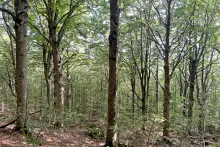
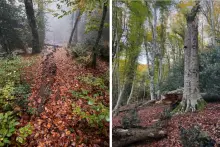
Il ciliegio è specie tipica delle foreste miste di latifoglie mesofilie d'Europa. Solo raramente, mai per grandi dimensioni, si hanno popolazioni di elevata consistenza numerica in cui il ciliegio assume un comportamento di tipo sociale. Questa specie sviluppa diverse strategie di propagazione secondo le necessità . Può infatti ricorrere alla propagazione per polloni radicali oppure può usare la disseminazione zoocora in situazioni di maggiore equilibrio ecologico. Il suo doppio comportamento sembra variare in relazione alle caratteristiche ambientali ed allo stadio della successione ecologica in cui la specie viene a trovarsi.
Natural clones in Wild cherry (Prunus avium L.): their meaning in forestry and for the intensive forest tree farming
Wild cherry is one of several species growing in the mixed mesophile harwood forest ecosystems of Europe. It is characterized by two propagation systems: one giving more prominence to the suckers production for low distances and when the ecological succession is in the first phases, the other one is used for long distances propagation and is tipic of the advanced or climax phases. The genetic structure of five populations from France (advanced ecological phases) and Italy (young and first ecological phases) has been investigated using electrophoretic analysis of nine enzyme loci. The genotype number in the very dense clumps of suckers is very low as confirmed for Italian population. The genetic variability increase with ageing when the seed dispersal improve and silvicultural treatments can have an efficient influence on the genetic structure. The natural low number of genotypes required by this species during the first ecological phases supports the option for clonal plantation use aimed to high quality timber production in intensive forest tree framing. the minimum number (7/8 clones) of genotypes currently suggested for plantations is higher than the valus found in similar natural ecological steps. An important consequence is in selecting plus trees and seed collections in forest: given the high probability to select the same genotypes it is better to improve minimum distances between mother tree, at least 100m.

CONTENUTO PROMOZIONALE

ULTIMI ARTICOLI e NOTIZIE
Image

Compagnia delle Foreste logo91x70px

La nostra sede
Compagnia delle Foreste Srl
Via Pietro Aretino n. 8
52100 Arezzo (IT)

Contatti telefonici e fax
Tel. (2 linee): 0575.323504 / 0575.370846
Fax: 0575.370846

E-mail

Pec:

P. Iva e CF: IT01726650516
Codice Univoco: M5UXCR1

Seguici su

× Progressive Web App | Add to Homescreen

Per installare questa Web App sul tuo iPhone/iPad premi l'icona. Progressive Web App | Share Button E poi Aggiungi alla schermata principale.

× Installa l'app Web
Mobile Phone
Offline: nessuna connessione Internet